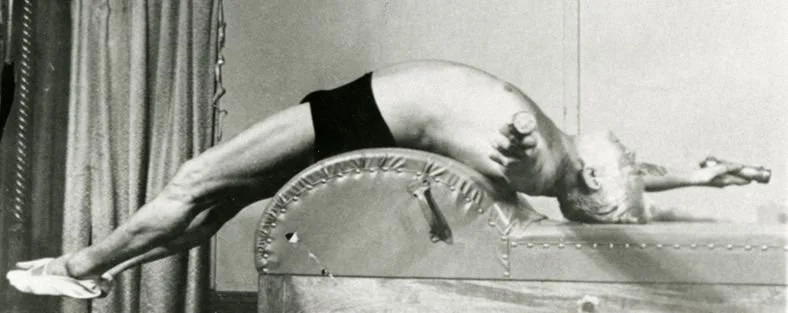
What is Pilates?
Pilates is a holistic movement method originally developed by Joseph Pilates that emphasizes strength, alignment, breath, and mindful control. Rooted in the belief that physical and mental well-being are inseparable, Pilates trains the body to move with precision, balance, and efficiency. Through intentional, low-impact exercises performed on the mat or specialized apparatus Pilates strengthens the deep stabilizing muscles, supports spinal health, improves posture, and enhances flexibility. When practiced in its traditional form, Pilates is not a workout trend, but a lifelong system designed to build resilience, restore function, and cultivate a strong, connected body and mind.
A Brief History of Pilates
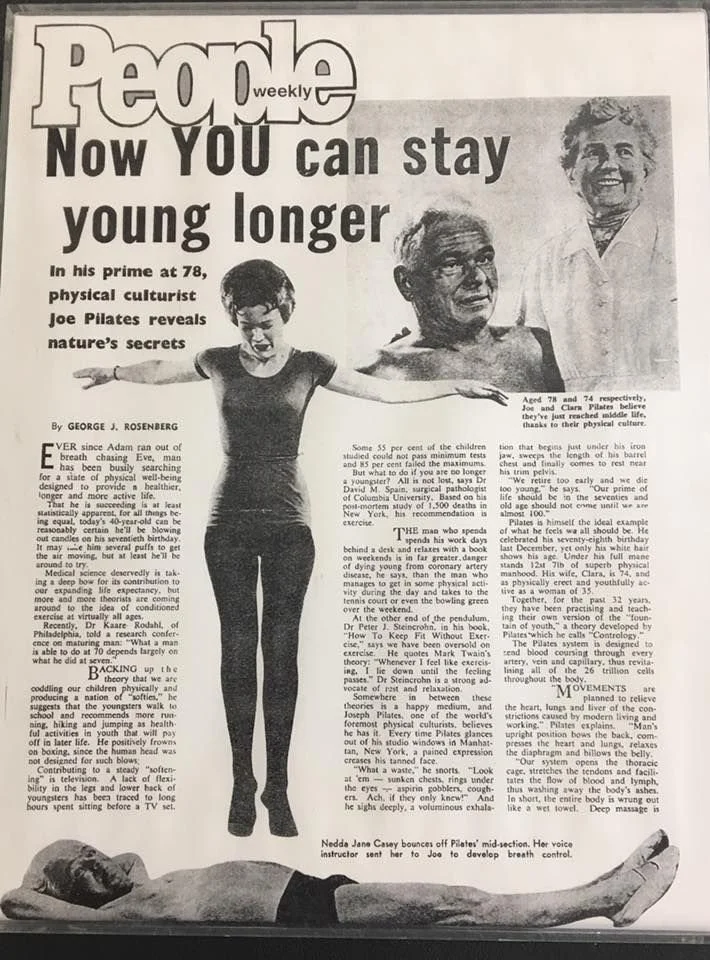
Pilates was developed in the early 20th century by Joseph Pilates, a German-born movement innovator who believed physical and mental health were inseparable. Drawing from gymnastics, yoga, martial arts, and rehabilitation principles, he created a system he called Contrology focused on precision, breath, alignment, and mindful control.
During World War I, Pilates refined his method while helping rehabilitate injured soldiers, even designing early versions of Pilates apparatus using springs and hospital beds. In the 1920s, he immigrated to New York City, where his studio quickly gained a devoted following among dancers, athletes, and performers seeking strength without bulk and movement without strain.
Over time, Pilates evolved into a respected method for both conditioning and rehabilitation. Today, when taught in its traditional form, it remains a powerful, intelligent system designed to support longevity, resilience, and a deep connection between body and mind.
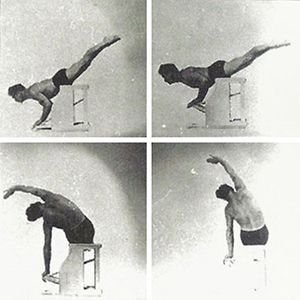
Principles Of Pilates
Concentration
Pilates requires full mental presence. Each movement is performed with intention and awareness, ensuring the body moves efficiently and correctly. Concentration sharpens the mind–body connection and deepens the effectiveness of every exercise.
Control
Originally called Contrology, Pilates is built on the idea that movement should be deliberate and governed, not rushed or careless. Control protects the body, refines technique, and ensures muscles work harmoniously rather than through momentum.
Centering
All Pilates movements originate from the center of the body, often referred to as the powerhouse—the abdominals, lower back, hips, and pelvic floor. A strong center provides stability, supports the spine, and allows the limbs to move with freedom and precision.
Precision
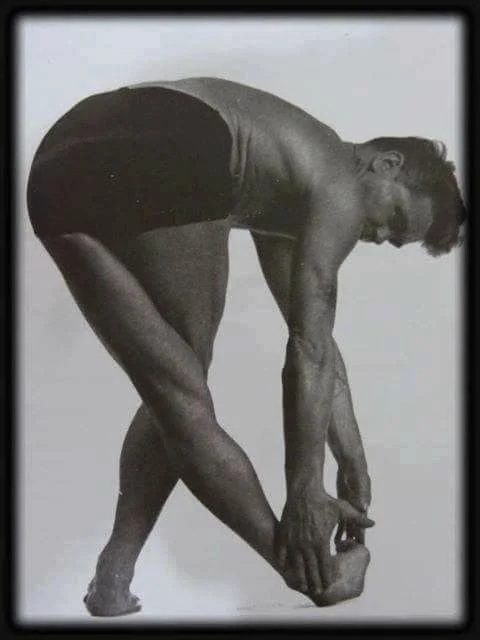
Pilates prioritizes quality over quantity. Each exercise has a specific form, alignment, and purpose. Precision ensures the correct muscles are engaged, creating balanced strength and preventing unnecessary strain.
Breath
Breath is integral to movement. Proper breathing oxygenates the muscles, supports core engagement, and enhances rhythm and flow. In Pilates, breath guides movement and helps release tension while maintaining control.
Flow
Pilates exercises are designed to move seamlessly from one to the next, creating a sense of continuity and grace. Flow encourages efficiency, coordination, and fluidity, resulting in movement that feels both strong and effortless.
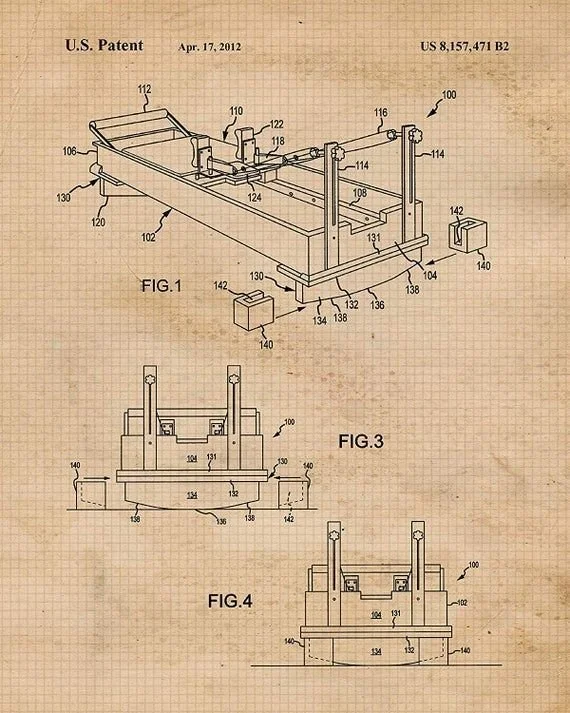
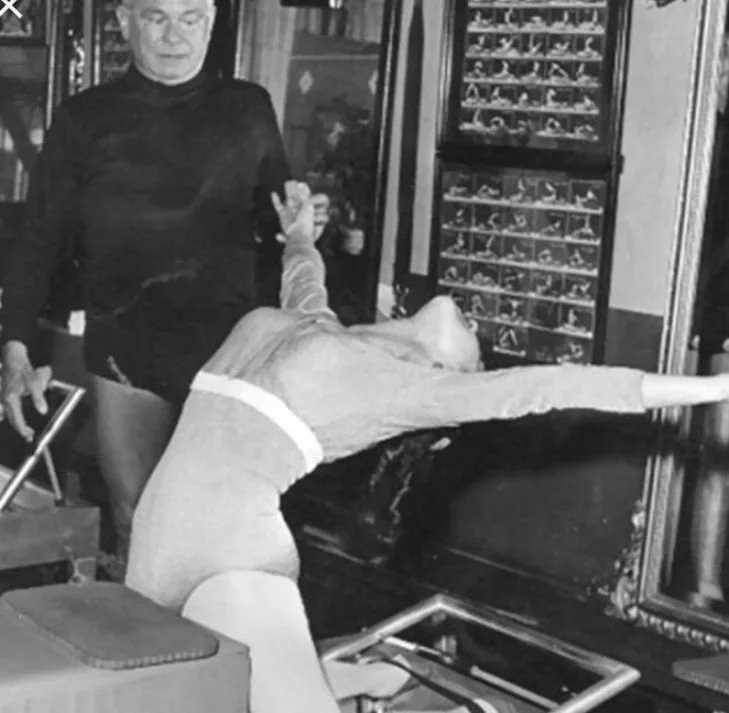
What are Pilates machines?
Here are just a few of his most popular designs. The equipment is called apparatus. Today you can find all different kinds of machines inspired by Joseph original creations!
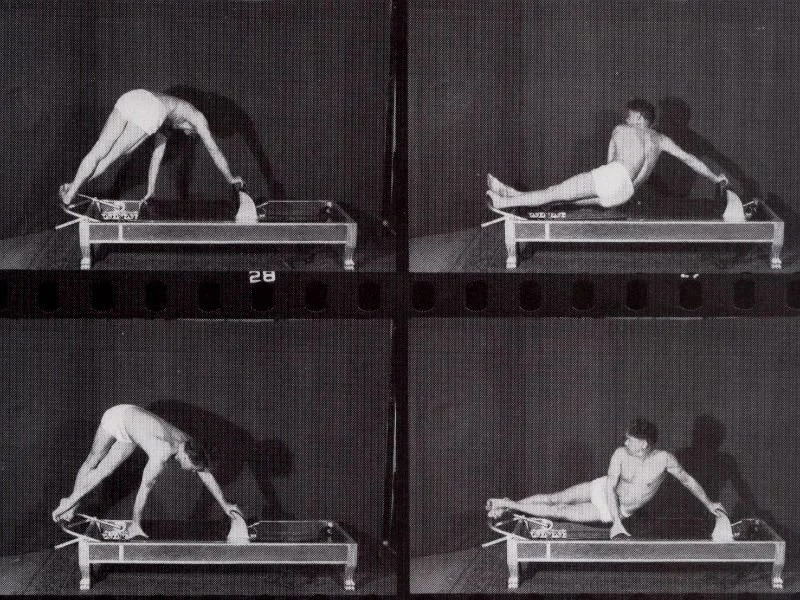
Reformer
The Reformer is the most recognized Pilates apparatus. It uses a moving carriage, springs, straps, and pulleys to provide both resistance and support. The Reformer enhances strength, alignment, flexibility, and coordination, making it adaptable for rehabilitation, athletic conditioning, and mindful full-body work.
Cadillac (Trapeze Table)
Originally developed for rehabilitation, the Cadillac offers extensive spring-based support and challenge. Its vertical and horizontal bars allow for assisted, resisted, and inverted exercises. This apparatus is ideal for post-injury recovery, spinal mobility, and advanced strength work.
Wunda Chair
Compact yet powerful, the Wunda Chair uses spring-loaded pedals to build strength, balance, and control. It challenges stability and coordination, making it excellent for functional movement, lower-body strength, and advanced core work.
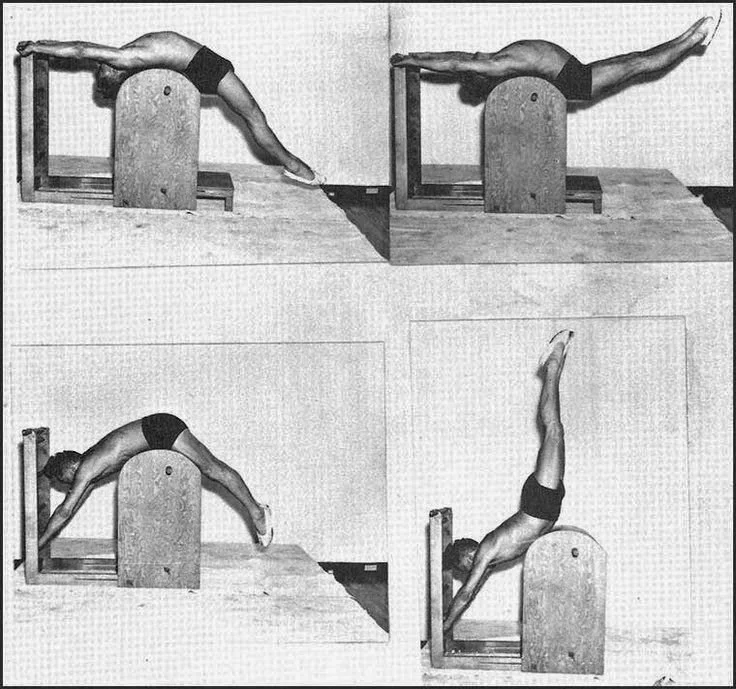
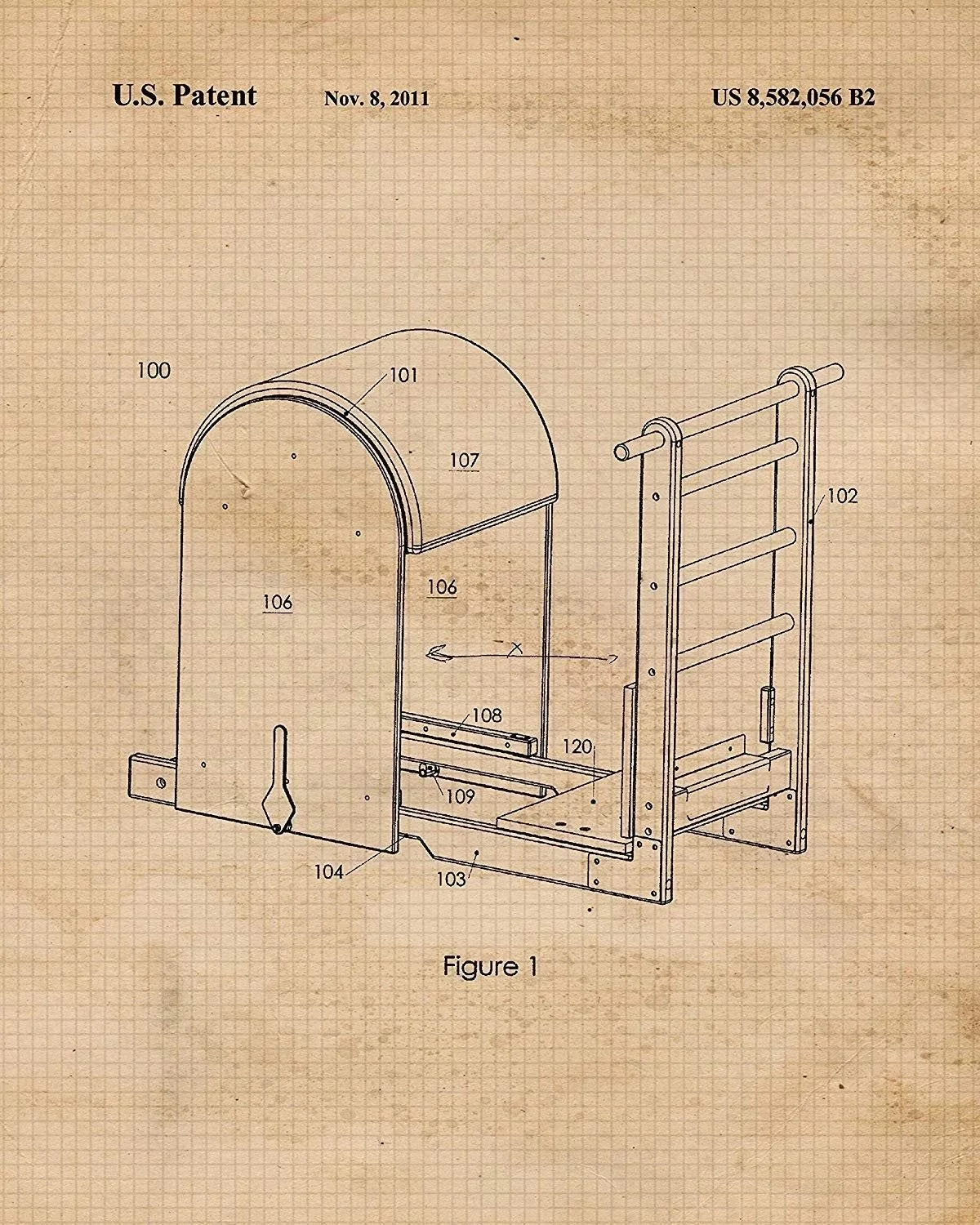
Ladder Barrel
The Ladder Barrel combines a curved barrel with ladder rungs to support spinal articulation, extension, and flexibility. It is particularly effective for posture, back strength, and improving mobility while encouraging proper alignment.
Spine Corrector (Small Barrel)
The Spine Corrector supports the natural curves of the spine while strengthening the core. It is commonly used to improve posture, spinal articulation, and shoulder mobility, offering both gentle support and focused challenge.
Magic Circle
Though small, the Magic Circle provides tactile feedback and resistance to enhance muscle activation. It is commonly used to refine alignment, deepen core engagement, and improve coordination within mat or apparatus-based work.
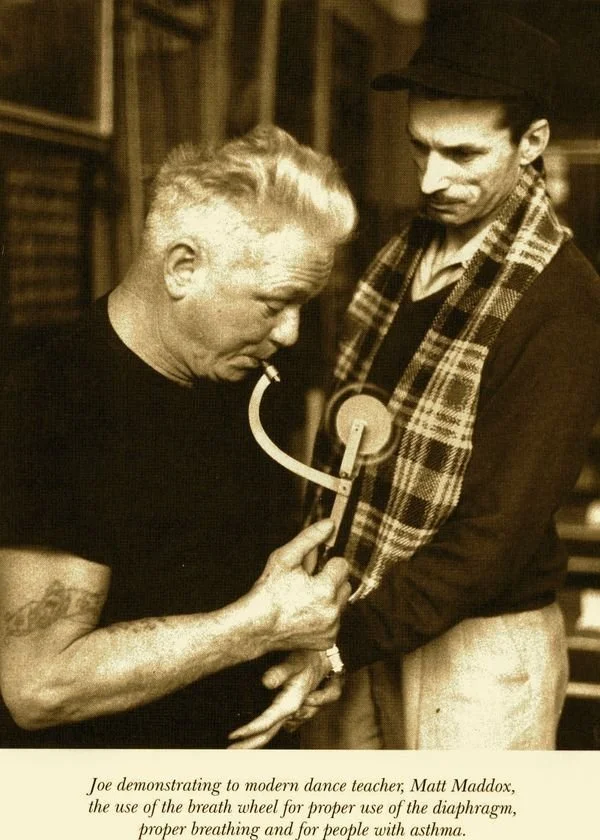
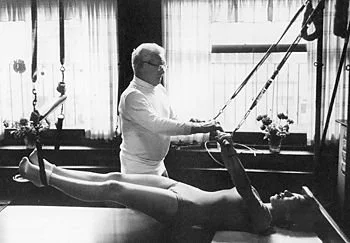
Joseph Pilates wrote two books to preserve the integrity and purpose of his method.
Your Health (1934) explains his philosophy that true wellness comes from proper posture, breathing, and mindful movement. It addresses health as a lifelong responsibility, not a quick fix.
Return to Life Through Contrology (1945) presents the original Pilates mat work, offering a practical guide to restoring strength, vitality, and balance through controlled movement.
Together, these works define Pilates as a complete system for health, longevity, and self-mastery.